
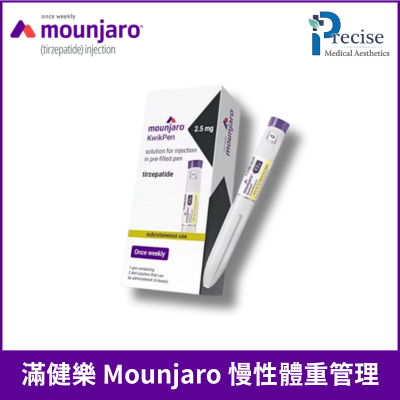
What is Mounjaro?
- Mounjaro (active ingredient: Tirzepatide) is a once-weekly prescription medicine administered by subcutaneous injection, indicated for:
- Glycaemic control in adults with type 2 diabetes (can be used alone, or in combination with other antidiabetic medicines and/or insulin)
- Chronic weight management (weight loss and maintenance), to be used together with a reduced-calorie diet and increased physical activity
- An initial doctor’s assessment is recommended (available doses: 2.5 mg, 5 mg, 7.5 mg, 10 mg) to tailor the treatment plan.
How does Mounjaro work?
- Dual receptor agonist of GLP-1 and GIP:
- GLP-1: slows gastric emptying, increases satiety, enhances glucose-dependent insulin secretion, and suppresses glucagon to help lower blood glucose and appetite.
- GIP: boosts insulin secretion after meals and acts on adipocytes to reduce fat storage.
- Synergistic advantages:
- More comprehensive and stable blood glucose control with reduced post‑meal glucose fluctuations.
- Stronger appetite regulation and weight reduction; clinical data suggest superior weight‑loss outcomes versus traditional GLP‑1–only regimens.
- May lower certain cardiovascular risk factors.
What is Mounjaro best suited for?
- Chronic weight management (adults):
- BMI ≥ 30 kg/m² (obesity), or
- BMI ≥ 27 kg/m² with weight‑related health conditions (e.g., prediabetes, type 2 diabetes, hypertension, dyslipidaemia, obstructive sleep apnoea, cardiovascular disease).
- Type 2 diabetes (adults):
- When diet and exercise alone are insufficient.
- As monotherapy if metformin is not appropriate or not tolerated.
- May be combined with other oral antidiabetic agents or insulin.
What to expect during treatment?
- Doctor consultation and assessment: medical history, current medications, BMI/waist circumference, past weight‑loss attempts, retinal status (e.g., diabetic retinopathy), gastrointestinal symptoms, and any history of gallbladder or pancreatic disease.
- Personalised plan: once‑weekly subcutaneous injections with gradual dose escalation, alongside diet and exercise guidance; if used with insulin or sulfonylureas, dosage adjustments may be needed to lower risk of hypoglycaemia.
- Injection technique: demonstrated by clinical staff; inject into the abdomen, thigh, or outer upper arm; rotate injection sites each time; aim for the same day each week.
- Monitoring and follow‑ups: review weight, waist circumference, glucose/HbA1c, renal function, lipid profile, and tolerability; adjust dose according to response.
What are the treatment areas?
- This is a systemic therapy, not a local fat‑dissolving or device‑based treatment.
- Injection sites are merely routes of administration (abdomen, thigh, outer upper arm) and are not intended for targeted spot fat reduction.
Is the treatment painful?
- Most people feel only brief, mild needle prick or transient warmth.
- Possible local reactions include redness, itchiness, small bruises, or mild pain at the injection site, usually resolving within a few days; icing or rotating sites can help.
How many sessions are needed to see results?
- Varies by individual. Continuous once‑weekly use with stepwise dose escalation is typically needed to balance efficacy and tolerability.
- The better the adherence to diet and exercise, the more favourable the weight and glucose outcomes tend to be.
How soon can I see results?
- Appetite reduction and increased satiety: often noticeable within the first few weeks.
- Weight change: generally emerges gradually over several weeks to months; sustained treatment and lifestyle measures help consolidate results.
- Glycaemic control: typically improves with continued therapy and appropriate dose adjustments.
What to avoid after the treatment?
- During initiation and dose escalation, avoid very fatty or large meals to reduce nausea or stomach discomfort.
- If significant nausea, vomiting, or diarrhoea occurs, maintain hydration and electrolytes to prevent dehydration.
- Inform your healthcare team before surgery or deep sedation that you are using a GLP‑1/GIP agent to plan fasting and any temporary interruption, reducing aspiration risk.
- If combined with insulin or sulfonylureas, intensify glucose monitoring and adjust doses per medical advice.
Are there any side effects?
- Common: nausea, vomiting, diarrhoea, constipation, abdominal pain, heartburn/reflux, reduced appetite, dizziness, fatigue, taste changes, injection‑site reactions; mild increase in heart rate; elevations in pancreatic enzymes (amylase/lipase).
- Hypoglycaemia: risk increases when used with insulin or sulfonylureas (less common when used alone or with metformin/SGLT2 inhibitors).
- Less common but important: gallstones and cholecystitis; delayed gastric emptying/worsening gastroparesis symptoms; orthostatic hypotension or blood‑pressure‑related events; hair loss; allergic or hypersensitivity reactions (rarely angioedema/anaphylaxis).
- Acute pancreatitis (rare but serious): if you develop persistent, severe abdominal pain (possibly radiating to the back, with or without vomiting), stop the medication and seek immediate medical care; if confirmed, do not restart.
- Ophthalmic: use with caution in patients with diabetic retinopathy; monitor for vision changes.
- Drug interactions: delayed gastric emptying may affect absorption of oral medicines, especially at initiation or after each dose escalation; narrow therapeutic index drugs (e.g., warfarin, digoxin) may require closer monitoring; oral contraceptive effectiveness may be reduced—consider non‑oral methods or add barrier protection for 4 weeks after starting or after each dose increase.
- Pregnancy and breastfeeding: not recommended during pregnancy; if planning for pregnancy, discontinue at least 1 month before conception; discuss risks/benefits if breastfeeding.
Friendly reminders
- Mounjaro is not a quick‑fix weight‑loss solution; suggest to pair with diet control and exercise, and attend scheduled follow‑ups.
- Outcomes vary with individual physiology, concomitant medicines, lifestyle, and adherence; your doctor will adjust dosing and pacing based on your response and tolerability.